Every dog has a unique personality, learning style, and set of training needs. Some dogs need help mastering basic obedience, while others struggle with distractions, leash manners, or specific behavioral challenges. As a dog owner, choosing the right training environment can make a meaningful difference in your dog’s progress.
When comparing group dog training classes vs private training, it’s important to understand how each approach works. Both options offer valuable benefits, but the right choice depends on your dog’s temperament, current skills, and training goals.
Understanding these differences can help you make an informed decision and build a stronger relationship with your dog.
What Are Group Dog Training Classes?
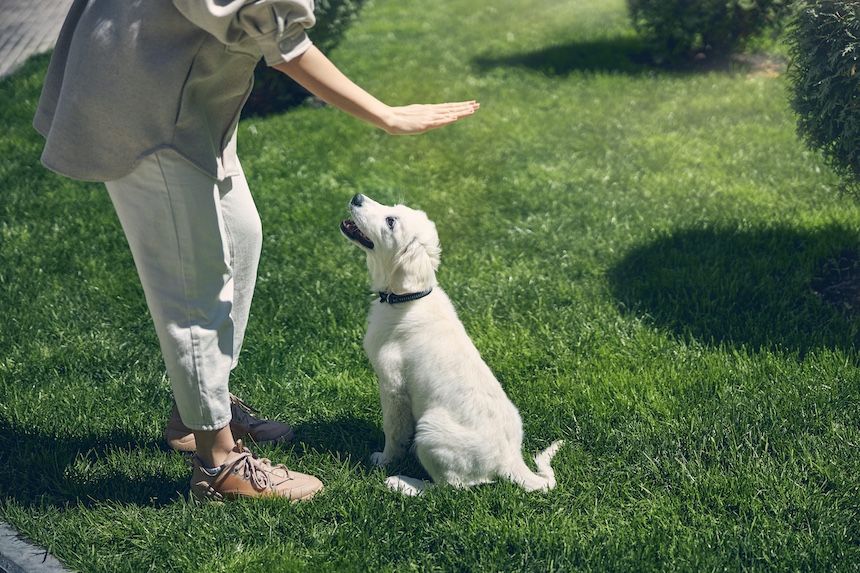
Group dog training classes bring multiple dogs and their owners together in a structured learning environment. A professional trainer guides participants through exercises designed to improve obedience, communication, and everyday manners.
These classes typically focus on foundational skills such as:
- Sit, down, and stay commands
- Walking politely on a leash
- Coming when called
- Maintaining attention around distractions
- Following commands in different situations
- Practicing calm behavior around other dogs and people
Group classes allow owners to practice these skills in an environment where other dogs and people are present.
However, group training isn’t simply about teaching commands. It also helps owners learn how to communicate clearly and consistently with their dogs.
Benefits of Group Dog Training Classes
Learning around distractions: Dogs must eventually follow commands outside the quiet environment of their homes. Group classes introduce controlled distractions that can help owners practice obedience in more realistic situations.
Structured training: Scheduled classes encourage consistency and provide a clear progression of skills.
Owner education: Participants learn how to communicate expectations, practice exercises, and reinforce appropriate behavior between sessions.
Real-world preparation: Practicing around other dogs and people can help prepare dogs for walks, public outings, and other everyday experiences.
Cost considerations: Group classes often cost less per session than private instruction, although pricing and program structures vary.
For dogs that are comfortable around others and ready to learn in a shared environment, group training can be a practical choice.
What Is Private Dog Training?
Private dog training provides individualized instruction for one dog and its owner. Rather than following a group curriculum, sessions can focus on specific goals, challenges, and areas where additional guidance is needed.
Private sessions may take place at a training facility, in a home, or in another appropriate environment, depending on the program.
This approach allows the trainer to evaluate the dog’s current skills and help the owner develop a more personalized training plan.
Benefits of Private Dog Training
Individualized attention: The trainer can focus directly on your dog’s behavior, learning pace, and specific training goals.
Targeted instruction: Private lessons allow more time to address challenges such as jumping, pulling on the leash, or difficulty following commands.
Flexible progression: Training exercises can be adjusted as your dog develops new skills.
Owner involvement: Owners receive direct guidance on communication, consistency, and practicing skills outside scheduled sessions.
Controlled environments: Dogs that struggle with busy surroundings may benefit from beginning in a setting with fewer distractions.
Private training can be especially useful when a dog needs focused instruction before progressing to more challenging environments.
Group Dog Training Classes vs Private Training: Key Differences
Although both options aim to improve obedience and communication, they differ in several important ways.
Training Environment
Group classes involve multiple dogs and owners working in the same space. This creates opportunities to practice focus and obedience around distractions.
Private training offers greater control over the learning environment. As a result, the trainer can introduce challenges gradually based on the dog’s needs.
Individual Attention
During group classes, the trainer divides attention among participants. While owners receive instruction and feedback, each dog generally follows the same overall lesson structure.
Private sessions provide dedicated time for one dog and owner. This can be beneficial when specific behaviors require closer attention.
Training Goals
Group classes often follow a structured curriculum covering essential obedience skills and manners.
Private training can focus more directly on individual goals, including leash behavior, household boundaries, recall, or preparation for advanced obedience.
Learning Pace
Group programs typically progress according to a scheduled course.
Private sessions may allow greater flexibility, particularly when a dog needs additional practice with certain skills.
Neither approach is automatically better. The most appropriate choice depends on the dog and the owner’s expectations.
Which Dogs Benefit Most From Group Training?
Group classes can be a good fit for dogs that are comfortable enough around other dogs and people to participate safely.
They may be particularly helpful for:
- Puppies learning foundational obedience and appropriate behavior around distractions
- Adolescent dogs that need consistency and structure
- Adult dogs developing better everyday manners
- Dogs that already understand basic commands but need practice in distracting environments
- Owners who enjoy learning alongside other dog owners
For example, a dog may follow commands reliably at home but become distracted during walks. A structured group environment can provide opportunities to practice maintaining attention when other dogs and people are nearby.
However, group training should not be confused with unrestricted dog socialization. The purpose is to develop communication and obedience while other dogs are present, not necessarily to encourage direct interaction between participants.
When Is Private Dog Training a Better Choice?
Private training may be more appropriate when a dog has specific challenges that require individualized attention.
Consider private lessons if your dog:
- Struggles to focus in busy environments
- Has difficulty walking calmly on a leash
- Frequently jumps on visitors
- Needs help developing reliable recall
- Shows fear or discomfort in certain situations
- Has established habits that are difficult to manage
- Needs preparation for advanced obedience or specialized activities
For dogs displaying serious fear, aggression, or other safety concerns, an individualized assessment is especially important. Some cases may also require consultation with a veterinarian to rule out underlying health concerns.
Private lessons allow the trainer to better understand the circumstances surrounding a behavior and develop an appropriate training approach.
Can Your Dog Benefit From Both Group and Private Training?
Absolutely. Group and private training do not have to be competing choices.
In fact, combining the two can provide opportunities to develop foundational skills and then practice those skills in more challenging environments.
For example, a dog that struggles with distractions may begin with private lessons. Once the dog develops a stronger understanding of basic commands, group classes may offer additional opportunities to practice around other dogs and people.
Alternatively, a dog enrolled in group classes may benefit from occasional private sessions to address a particular challenge.
The key is choosing a training progression that matches your dog’s abilities rather than expecting every dog to follow the same path.
What About Board-and-Train Programs?
While comparing group dog training classes vs private training, some owners may also consider board-and-train programs.
These programs allow dogs to stay at a training facility while receiving structured instruction from trainers.
Board-and-train may appeal to owners who want a more immersive training experience or need help establishing foundational obedience.
However, training does not end when the dog returns home.
Owners must understand how to communicate expectations and continue practicing the skills their dogs have learned. Without consistency at home, progress may be difficult to maintain.
Therefore, owner education and follow-through are important considerations when evaluating any board-and-train program.
How to Choose the Right Training Program for Your Dog
Before selecting a program, consider your dog’s current behavior and your long-term goals.
Ask yourself the following questions:
- What skills does my dog need to learn? Basic obedience, leash manners, recall, and advanced skills may require different approaches.
- How does my dog respond to distractions? Dogs that become overwhelmed around others may need a more controlled starting environment.
- Are there specific behavior concerns? Individualized instruction may be helpful when addressing persistent challenges.
- How much time can I dedicate to practicing? Every training option requires owner participation and consistency.
- What are my long-term goals? Everyday obedience, off-leash reliability, and dog sports may involve different training paths.
A professional trainer can help you evaluate these factors and determine which program may be appropriate.
Build Better Communication With Three Sixty K9
When deciding between group dog training classes vs private training, remember that there is no single approach that works for every dog.
Group classes provide structured learning opportunities around distractions, while private training offers individualized instruction for specific goals and challenges. Both can help owners develop clearer communication, better obedience, and stronger relationships with their dogs.
At Three Sixty K9, our dog training programs are designed to help dogs and their owners develop practical skills for everyday life. We offer group classes, private sessions, basic and advanced obedience training, board-and-train programs, and specialized training for dogs of different breeds, ages, and experience levels.
Whether you’re starting with a new puppy, addressing obedience challenges, or working toward advanced training goals, we’re here to help you explore your options. Fill out our online contact form to connect with Three Sixty K9 and learn which training program may be right for your dog.