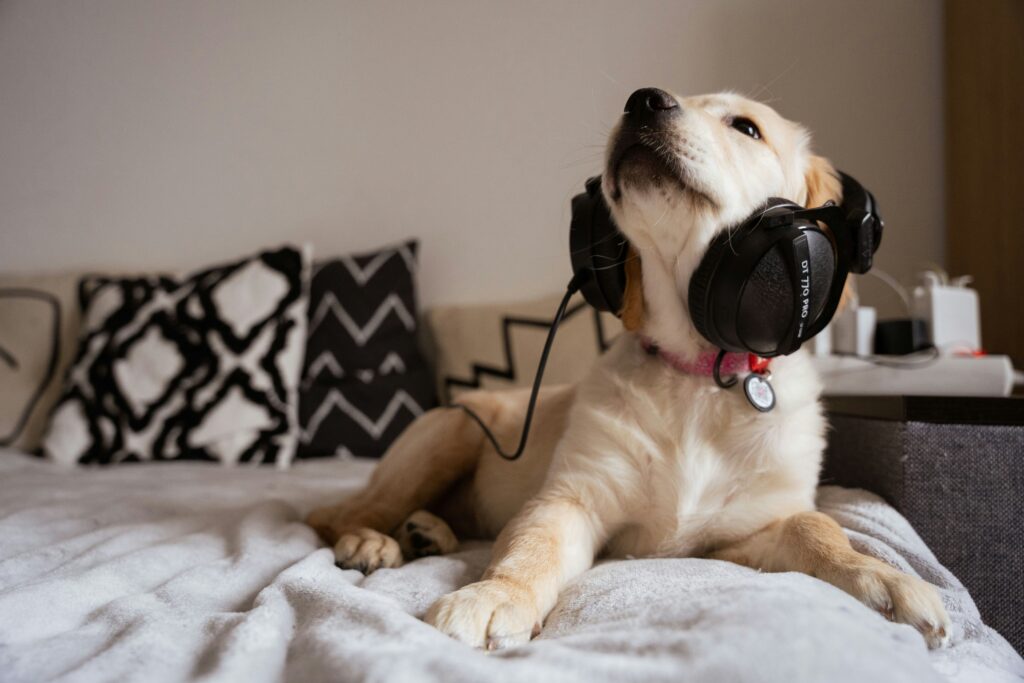

Bringing home a new puppy is exciting, but it can also be overwhelming. Between house training, chewing, jumping, biting, and learning a new routine, there is a lot happening at once. As a result, many new owners wonder: when should you start training a puppy?
The simple answer is sooner than you may think.
Puppies begin learning from the moment they enter your home. They learn which behaviors get your attention, where they are allowed to go, what your daily routine looks like, and what you expect from them. Therefore, starting training early can help establish good habits before unwanted behaviors become part of your puppy’s normal routine.
However, early puppy training does not mean expecting a young dog to behave like a fully trained adult. Instead, the goal is to build communication, establish boundaries, and create a strong foundation that you can continue developing as your puppy grows.
When Should You Start Training a Puppy?
In most cases, you can begin basic training as soon as your puppy comes home, which is often around eight weeks of age.
At this stage, training should focus on simple skills and everyday expectations. Your puppy is still very young and has a limited attention span. Short, consistent training sessions are generally more practical than trying to work for long periods.
You can begin introducing skills such as:
- Responding to their name
- Coming when called
- Sitting
- Walking appropriately on a leash
- Waiting at doors
- Going into a crate
- Following a daily bathroom routine
- Learning appropriate boundaries in the home
These early lessons help your puppy begin understanding how to communicate and work with you.
Keep in mind that progress will vary from one puppy to another. Breed, age, temperament, previous experiences, environment, and owner consistency can all influence how quickly a puppy develops new skills.
Why Early Puppy Training Matters
One of the biggest advantages of beginning puppy training early is the opportunity to establish expectations from the beginning.
Puppies naturally experiment with their environment. They chew things, jump, use their mouths, pull toward interesting objects, and investigate whatever catches their attention. Many of these behaviors are normal for a young dog.
The problem develops when an unwanted behavior repeatedly gets the puppy what they want.
For example, imagine that your puppy jumps whenever you walk through the door. If jumping consistently earns attention, your puppy may learn that jumping is an effective way to greet people. Months later, the same behavior can be much more difficult to manage when the puppy is a full-sized adult.
Training provides another option. Instead of simply telling a puppy what not to do, you can begin teaching the behavior you want to see.
That foundation can make everyday life easier as your dog matures.
What Should You Teach Your Puppy First?
New puppy owners sometimes feel pressure to teach everything immediately. However, you do not need to rush through a long list of commands.
Start with the skills that make everyday life safer and more manageable.
Name Recognition and Attention
Before your puppy can reliably follow directions, they need to learn to pay attention to you.
Teaching your puppy to recognize their name and respond to you creates an important foundation for future obedience work.
Coming When Called
Recall is one of the most useful skills a dog can learn.
Start working on coming when called in a controlled environment with minimal distractions. As your puppy improves, training can gradually progress to more challenging situations.
Reliable recall takes time. Avoid assuming that a puppy who comes consistently inside your home will automatically respond the same way in a distracting outdoor environment.
Leash Skills
A small puppy pulling on a leash may not seem like a serious problem. However, that same habit can become much harder to manage when the dog is larger and stronger.
Introducing appropriate leash behavior early helps your puppy begin learning that walks involve communication between both ends of the leash.
Basic Obedience
Simple obedience skills create structure and give owners practical ways to communicate with their dogs.
Sit, down, stay, place, and other foundational skills can eventually become useful in real-world situations, such as greeting visitors, walking in public, or settling calmly at home.
Puppy Training Goes Beyond Commands
When asking when should you start training a puppy, it is easy to think only about commands such as sit and stay. However, puppy training involves much more.
Your puppy is also learning how to live successfully in your household.
For example, training can include learning not to rush through an open door, remaining calm when the leash comes out, accepting reasonable household boundaries, and understanding how to behave around people and other dogs.
Owners are learning at the same time.
Effective training requires communication and consistency from the human side of the relationship. Everyone in the household should understand the expectations for the puppy whenever possible.
If one person allows a behavior while another person discourages it, the puppy receives mixed information. Clear expectations make it easier for your dog to understand what you want.
What About Socialization?
Socialization is another important part of raising a puppy, but it is often misunderstood.
Good socialization does not simply mean allowing your puppy to meet as many dogs and people as possible. Instead, it involves helping a puppy learn how to experience the world appropriately.
That can include exposure to different surfaces, sounds, environments, people, vehicles, grooming routines, household activity, and other everyday experiences.
The goal is not necessarily to make your puppy interact with everything they encounter. A puppy should also learn that they can remain calm and attentive around distractions without needing to approach every person or dog.
Because young puppies may not have completed their vaccination series, ask your veterinarian about appropriate precautions and safe exposure based on your puppy’s age and health.
How Long Should Puppy Training Sessions Be?
More training is not always better.
Young puppies have short attention spans. Several brief training opportunities throughout the day can often be more manageable than one long session.
In addition, training does not have to happen only during a designated “training session.” Everyday life provides plenty of opportunities.
You might practice waiting before going through a door, sitting before the leash goes on, coming when called from another room, or remaining calm before being released from a crate.
These small interactions reinforce the idea that training is part of daily life rather than something that happens only at a specific time.
When Should You Get Professional Help With Puppy Training?
You do not have to wait until your puppy develops a serious behavior problem before working with a professional trainer.
In fact, professional dog training services can help new owners understand how to establish communication, create realistic expectations, and develop consistent routines from the beginning.
Professional training may be particularly helpful if you are a first-time puppy owner, are struggling with a specific behavior, or have long-term goals for your dog.
Different dogs and owners may also benefit from different training formats. Group classes provide an opportunity to work around controlled distractions. Private sessions allow for more individualized attention. Board-and-train programs may be another option depending on your dog’s needs and your training goals.
As your puppy matures, training can also progress beyond basic obedience into advanced skills, dependable off-leash obedience, or specialized activities and dog sports.
Is It Ever Too Late to Start Training?
Starting young has advantages, but training is not limited to puppies.
If you adopted an older puppy or adult dog, you have not missed your opportunity. Dogs of different ages can learn new skills and develop better habits.
The training process may look different depending on the dog’s history and existing behaviors. An older dog may already have established habits that need to be addressed. However, training can still improve communication and help owners establish clearer expectations.
What matters most is beginning with the dog you have today and building from there.
Build a Strong Foundation With Your Puppy
So, when should you start training a puppy? In most cases, training can begin as soon as your puppy comes home.
Early training is not about demanding perfection from a young dog. It is about building communication, establishing boundaries, developing useful habits, and giving your puppy a foundation for more advanced training later.
Three Sixty K9 works with dogs of all breeds and ages, from puppies learning their first obedience skills to dogs progressing toward advanced obedience and specialized training. Training options include group classes, private sessions, basic and advanced obedience, board-and-train programs, and specialized skills.
If you are ready to start building better communication and dependable obedience with your puppy, fill out our online contact form to connect with Three Sixty K9 and learn more about the training options available.